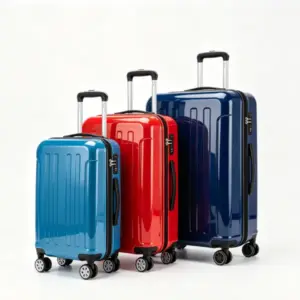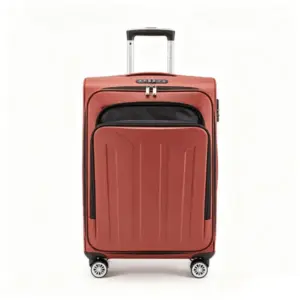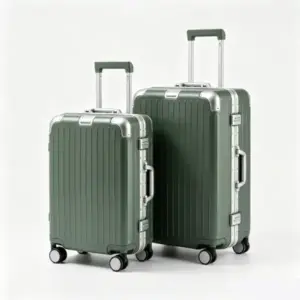

The global luggage market continues to expand as travel demand recovers and consumers increasingly seek stylish, functional, and durable travel products. For entrepreneurs, launching a luggage brand presents an exciting opportunity to enter a growing market with strong long-term potential.
However, building a successful luggage brand requires much more than selecting a few products and adding a logo. From market research and product development to manufacturing and marketing, every step plays a critical role in determining success.
This guide outlines the key steps entrepreneurs should follow when starting a luggage brand.
Understand Your Target Market
The first step is identifying your target customers.
Many new brands make the mistake of trying to sell to everyone. Successful luggage brands focus on specific customer groups.
Examples include:
- Business travelers
- Frequent flyers
- Family travelers
- Luxury travelers
- Budget-conscious consumers
- Students
- Digital nomads
- Outdoor travelers
Understanding your audience helps determine product design, pricing, branding, and marketing strategies.
Choose Your Product Positioning
Product positioning determines how your brand is perceived in the market.
Common positioning strategies include:
Premium Luggage Brand
Focus on:
- High-end materials
- Innovative features
- Luxury aesthetics
- Premium pricing
Affordable Travel Brand
Focus on:
- Competitive pricing
- Practical functionality
- Broad consumer appeal
Fashion Luggage Brand
Focus on:
- Trend-driven designs
- Seasonal collections
- Influencer marketing
Sustainable Travel Brand
Focus on:
- Recycled materials
- Eco-friendly packaging
- Responsible manufacturing
Clear positioning helps differentiate your brand from competitors.
Research Market Trends
Before developing products, study current market trends.
Popular trends include:
- Lightweight luggage
- Smart luggage features
- Sustainable materials
- Minimalist design
- Modular storage systems
- Expandable luggage
- Travel backpacks
- Multi-functional travel bags
Analyzing successful brands can provide valuable insights into consumer preferences and purchasing behavior.
Select Product Categories
Most successful luggage brands start with a limited product range.
Popular categories include:
Hard Shell Luggage
Hard shell luggage remains one of the largest segments in the travel market.
Common materials:
- ABS
- Polycarbonate
- Polypropylene
Soft Luggage
Soft luggage appeals to travelers who prefer flexibility and additional storage options.
Carry-On Luggage
Carry-on products are popular among both business and leisure travelers.
Travel Bags
Many luggage brands expand into:
- Duffel bags
- Weekender bags
- Garment bags
- Tote bags
Backpacks
Travel backpacks are increasingly popular among younger travelers and remote workers.
Find the Right Manufacturing Partner
Choosing the right luggage manufacturer is one of the most important decisions when launching a brand.
Look for manufacturers with:
- Product development capabilities
- OEM and ODM experience
- Strong quality control systems
- Competitive pricing
- Stable production capacity
- Export experience
An experienced manufacturer can help transform product ideas into market-ready collections while reducing development risks.
Develop Your Brand Identity
Branding influences customer perception and purchasing decisions.
Key branding elements include:
Brand Name
Choose a memorable name that reflects your market positioning.
Logo Design
A professional logo improves recognition and builds credibility.
Packaging
Customized packaging creates a stronger customer experience.
Brand Story
Consumers increasingly connect with brands that communicate authentic stories and values.
Customize Your Products
Private label manufacturing allows brands to create unique products.
Common customization options include:
- Logo placement
- Material selection
- Color customization
- Hardware customization
- Lining customization
- Packaging customization
These features help differentiate products from generic market offerings.
Create a Product Launch Strategy
A successful product launch requires preparation.
Key steps include:
Product Photography
High-quality images improve conversion rates.
Content Creation
Create:
- Product descriptions
- Videos
- Buying guides
- Social media content
Marketing Campaigns
Promote products through:
- Social media
- Influencer partnerships
- Email marketing
- Paid advertising
Retail Partnerships
Brands targeting wholesale channels should prepare professional catalogs and sales materials.
Focus on Quality Control
Product quality directly affects customer satisfaction and brand reputation.
Reliable manufacturers conduct:
- Drop testing
- Wheel testing
- Handle testing
- Zipper testing
- Load testing
Quality assurance reduces returns and improves long-term customer loyalty.
Build Long-Term Growth
Launching a luggage brand is only the beginning.
Long-term growth often comes from:
- Expanding product categories
- Developing new collections
- Entering new markets
- Strengthening customer relationships
- Improving operational efficiency
Successful brands continuously adapt to changing market demands and consumer preferences.
Conclusion
Starting a luggage brand requires careful planning, strong product development, reliable manufacturing, and effective branding. By identifying the right target market, selecting suitable products, and partnering with an experienced luggage manufacturer, entrepreneurs can build a competitive brand capable of achieving sustainable growth in the global travel industry.
The luggage market offers significant opportunities for businesses willing to invest in quality products, strong branding, and long-term customer value.