The global luggage market continues to grow as consumers travel more frequently and demand products that combine style, functionality, and durability. For entrepreneurs, retailers, e-commerce sellers, and distributors, private label luggage presents an attractive opportunity to establish a unique brand without investing in their own manufacturing facilities.
Private label manufacturing allows businesses to create customized luggage collections under their own brand name while leveraging the expertise and production capabilities of experienced manufacturers.
What Is Private Label Luggage?
Private label luggage refers to travel products manufactured by a third-party factory and sold under another company’s brand name.
Unlike generic wholesale products, private label luggage can be customized with:
- Brand logos
- Custom colors
- Packaging
- Product labels
- Material selections
- Hardware accessories
- Product features
This enables businesses to build stronger brand recognition and differentiate themselves from competitors.
Why Private Label Luggage Is Growing
The luggage industry has become increasingly competitive. Consumers are no longer choosing products based solely on price.
Today’s buyers often look for:
- Unique designs
- Better functionality
- Brand identity
- Premium materials
- Sustainable options
Private label programs help businesses meet these demands while maintaining control over branding and market positioning.
For e-commerce sellers, private label products also provide better profit margins compared to selling generic products available from multiple suppliers.
Choosing the Right Product Categories
When developing a private label luggage collection, selecting the right product categories is critical.
Popular categories include:
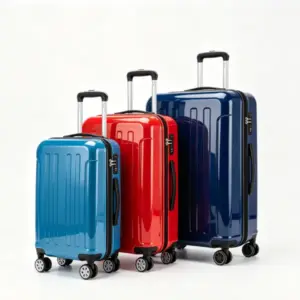
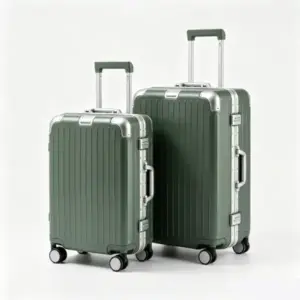
Hard Shell Luggage
Hard shell luggage remains one of the most popular travel product segments.
Benefits include:
- Strong impact resistance
- Lightweight construction
- Modern appearance
- Better protection for belongings
Materials commonly used include ABS, polycarbonate (PC), and polypropylene (PP).
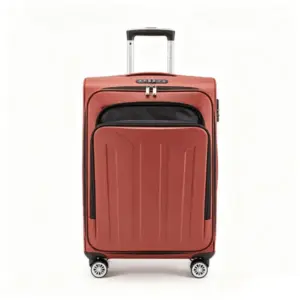
Soft Luggage
Soft luggage continues to attract travelers seeking flexibility and additional storage options.
Advantages include:
- Expandable compartments
- Lighter weight
- Easier storage
- Lower production cost
Travel Bags
Travel bags represent a growing market segment.
Popular options include:
- Duffel bags
- Weekend bags
- Garment bags
- Cabin bags
These products appeal to both business and leisure travelers.
Backpacks
Travel backpacks are increasingly popular among younger consumers and digital nomads.
Modern travel backpacks often feature:
- Laptop compartments
- USB charging ports
- Anti-theft designs
- Water-resistant materials
Key Customization Options
A successful private label collection requires more than simply adding a logo.
Professional luggage manufacturers typically offer customization in several areas.
Branding
Common branding options include:
- Metal logo plates
- Embossed logos
- Printed logos
- Rubber logos
- Woven labels
Color Development
Custom colors allow brands to create unique collections and maintain visual consistency.
Manufacturers can often match Pantone colors for greater accuracy.
Material Selection
Material choices influence both product performance and market positioning.
Common options include:
- ABS
- PC
- PP
- Nylon
- Polyester
- PU leather
Packaging
Customized packaging improves customer experience and strengthens brand identity.
Popular packaging options include:
- Color boxes
- Dust bags
- Hang tags
- Instruction cards
- Gift packaging
Factors to Consider When Selecting a Manufacturer
Choosing the right manufacturing partner is one of the most important decisions in private label development.
Businesses should evaluate:
- Manufacturing experience
- Product development capability
- Quality control systems
- Production capacity
- Lead times
- Export experience
- Communication efficiency
A manufacturer with strong OEM and ODM capabilities can help reduce development risks and accelerate product launches.
Quality Control Matters
Quality directly impacts customer satisfaction and brand reputation.
Reliable manufacturers perform testing such as:
- Wheel testing
- Handle testing
- Drop testing
- Zipper testing
- Load testing
These procedures help ensure products perform well under real-world travel conditions.
Building Long-Term Brand Success
Private label luggage offers businesses an opportunity to create long-term brand value.
By combining thoughtful product selection, effective customization, and a reliable manufacturing partner, companies can establish a recognizable luggage brand capable of competing in global markets.
Whether serving e-commerce customers, retailers, or distributors, a strong private label strategy creates sustainable growth opportunities in the evolving travel industry.